


Ancient Greek and Roman philosophy
Poetics
Poetics
Regular price
£17.99
Regular price
Sale price
£17.99
Unit price
per
Order by 4pm for next-day delivery (Sun orders arrive Tue)
View full details
Description
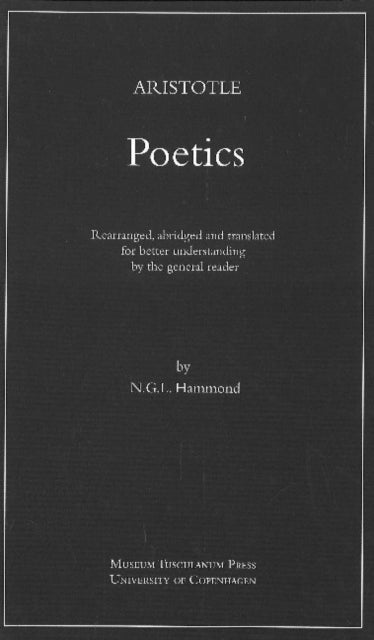
In many fields of knowledge Aristotle was and is today an outstanding figure. He possessed the acutest powers of observation and analysis, and he applied the systematic method of definition and classification to the study of biology, physics, logic, ethics, metaphysics and literature. His writings, however, at least in the form in which they have come down to us, are far from systematic in arrangement and far from clear in exposition. The discrepancy between his scientific method and his literary manner is probably to be explained on the hypothesis that the notes, on which his lectures at the Academy were based, were published in the form in which they were found after his death. The Poetics is a case in point. The arrangement of the argument is often haphazard. For example, a technical term is frequently used in one chapter and defined in a subsequent chapter; literary forms, such as tragedy and epic, are distinguished from one another, but the treatment of them is intermingled; and the summary of contents does not correspond in order to the unfolding of the argument. In consequence, the treatise is often confusing to the scholar and to the layman. In this version the text has been so rearranged that it makes the argument clear. The style of Aristotle is direct, concise and close to the ordinary speech of his day. The style of the translation by professor Hammond is intended to be similar. Aristotle's method of exposition is marked in detail by some idioms of connection and arrangement which are alien to us. In the translation these idioms of exposition have been abandoned, and the normal practice of our day has been adopted.
Details
ISBN
9788772896830
Publishers
Museum Tusculanum Press
Book info
Height: 212 mm
Width: 135 mm
Published Date
